Understanding how local government decisions can affect your daily life is essential for anyone who wants to play an active role in their community. While national politics often dominates the headlines, the choices made by city council members and local boards have a far more immediate impact on your morning commute, your home value, and your children’s education.
By recognizing these connections, you can move from being a passive observer to an informed participant. This article explores the tangible ways your neighborhood is shaped by local policy, providing the context you need to engage effectively with the people making decisions right in your own backyard.
The Direct Financial Impact of Zoning Laws
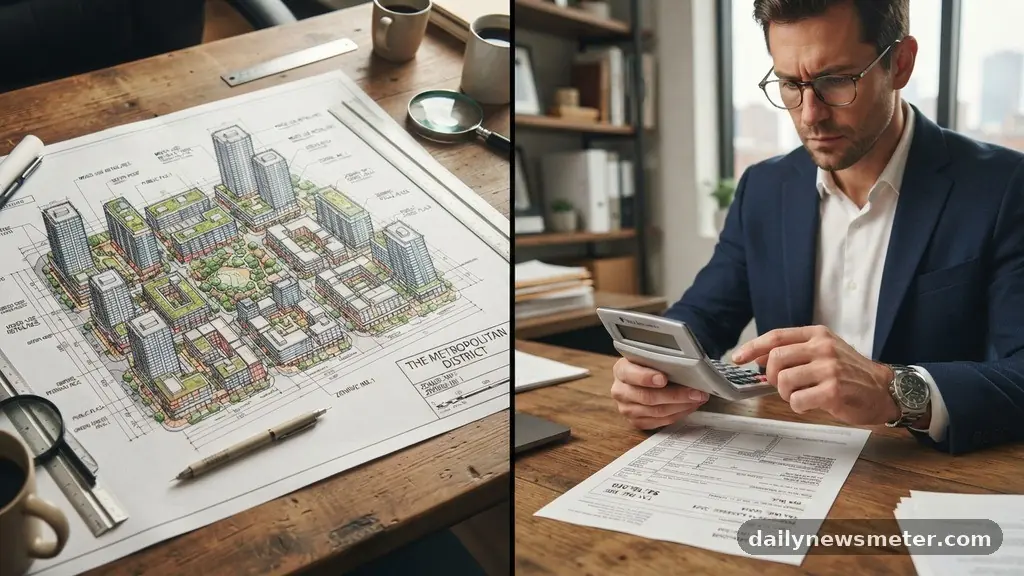
Zoning laws act as the blueprint for your neighborhood, dictating what can be built and where. When a city council updates these regulations, they are essentially deciding the character and future economic potential of your street.
If a plot of land near your home is rezoned from residential to commercial, your property value could shift significantly due to increased traffic or the addition of new amenities. These decisions are rarely accidental; they are the result of long-term urban planning strategies meant to address population growth.
Residential development projects often depend on variances granted by local boards. A decision to allow high-density apartments in an area previously limited to single-family homes can change the demographic and infrastructure needs of an entire block.
You might notice more cars on the road, a higher demand for local parking, or a sudden spike in the availability of nearby retail options. These changes aren’t just abstract policy shifts; they are physical transformations that dictate how you interact with your environment every day.
Local governments use these tools to balance the need for housing with the desire to preserve existing neighborhood charm. It is a constant tug-of-war between developers seeking profit and residents concerned about their quality of life.
Understanding the zoning map of your area allows you to see these pressures before they manifest as construction cranes on your street. Staying informed about upcoming hearings gives you a seat at the table before the concrete is poured.
Public Infrastructure and Your Daily Commute
The condition of the road you drive on every morning is a direct result of local government budget allocations. When officials decide to prioritize repaving a specific set of streets, they are choosing which neighborhoods get smoother, safer travel paths and which must wait for future funding cycles.
These maintenance decisions are often based on traffic flow data and historical usage, but they are also influenced by persistent civic engagement from residents. If you notice a lack of streetlights or crumbling pavement, you are looking at a policy decision that has been left unaddressed.
Public transit systems, including bus routes and light rail schedules, are also managed at the local or regional level. A shift in the local government budget can lead to the expansion of a bus line that makes your commute significantly easier or, conversely, the elimination of a stop that forces you to drive.
These choices directly impact your monthly fuel consumption, your time spent in transit, and your overall stress levels. Efficient public transit is rarely the result of luck; it is the product of sustained local investment.
Infrastructure isn’t just about roads and buses; it includes the hidden systems that keep your home functioning. Water treatment, sewage management, and power grid maintenance are all overseen by local departments.
When these systems fail, the impact on your life is immediate and disruptive. Keeping tabs on local utility reports can help you understand why your bills might be rising or why certain infrastructure projects are being prioritized over others.
How School Board Policies Shape Your Future
School board policies determine much more than just the curriculum taught in the classroom. They influence the start times of the school day, the availability of after-school programs, and the safety measures implemented on campus.
For parents, these decisions dictate the logistics of their daily lives, affecting work schedules and childcare arrangements. For non-parents, the quality of the local school district is a primary driver of home values and the overall desirability of the neighborhood.
These boards manage significant portions of the local tax revenue, making them some of the most influential bodies in your area. They decide whether to invest in new technology, renovate aging athletic facilities, or adjust teacher-to-student ratios.
Each of these choices ripples outward, affecting the long-term economic health of the community. When you look at your property tax bill, a substantial portion is typically earmarked for these educational institutions.
Active participation in school board meetings is a powerful form of civic engagement. By attending these sessions, you can influence how your tax dollars are spent and ensure that the district remains focused on student outcomes.
Whether it is advocating for better arts programs or questioning the budget for new administration buildings, your voice contributes to the institutional standards of your local area. These policies set the tone for the community’s future workforce and social fabric.
The Role of Property Taxes and Local Revenue
Property taxes are the lifeblood of municipal services, and the rates are set by local officials who must balance competing needs. When a town council decides to raise taxes, it is usually to fund a specific initiative, such as hiring more police officers or building a new public park.
While no one enjoys paying higher taxes, the decision-making process behind these hikes reveals what the community values most. You can track these shifts to see if your local government is prioritizing public safety, education, or infrastructure.
The following table illustrates the typical allocation of tax revenue in a medium-sized municipality, showing how different priorities compete for the same pool of funds:
| Category | Average Allocation | Direct Impact |
|---|---|---|
| Public Schools | 45% | Education quality and property values |
| Public Safety | 25% | Emergency services and crime rates |
| Infrastructure | 15% | Roads, bridges, and utilities |
| Parks and Recreation | 10% | Community health and leisure space |
| General Administration | 5% | Staffing and municipal operations |
Understanding this breakdown helps you see where your money goes when you pay your tax bill annually. If you feel that public parks are neglected, you now know that they occupy a smaller slice of the total budget compared to schools or safety.
This knowledge allows for more productive conversations with your local representatives. You can advocate for specific reallocations based on the reality of the existing budget structure.
Emergency Services and Public Safety
Emergency services, including fire departments and local police, are generally funded and administered at the municipal level. The response time you experience during an emergency is tied directly to the funding and staffing levels authorized by your city leaders.
If a local government decides to consolidate fire stations to save money, they are making a trade-off that could affect the safety of your home. These decisions are often debated in public forums where residents can voice their concerns about service coverage.
Effective public safety is not just about the number of officers on the street; it is about the policies they enforce. Local government decisions regarding community policing, mental health response teams, and neighborhood watch support define how safe you feel in your own home.
These policies are shaped by the values of the community and the leadership of the mayor and council. When you vote in local elections, you are essentially choosing the philosophy that will guide these critical services.
Proactive engagement with your local precinct or fire department can provide insight into the challenges they face. Often, these departments are underfunded and rely on local residents to speak up during budget hearings to secure necessary equipment or training.
By showing up, you help ensure that the people tasked with your safety have the resources they need to do their jobs effectively. It is a simple but vital way to protect your household and your neighbors.
Waste Management and Environmental Health
Waste management might seem like a mundane aspect of daily life until service is disrupted. The frequency of trash pickup, the availability of recycling programs, and the cost of hazardous waste disposal are all determined by municipal ordinances.
A city that prioritizes sustainability may invest in composting programs or advanced recycling facilities, which in turn reduces the amount of waste sent to local landfills. These programs are decided through long-term contracts and environmental policy goals.
Your local government also manages the health of your environment through strict regulations on noise, air quality, and illegal dumping. If you live near an industrial zone, the enforcement of these ordinances is what prevents excessive pollution from affecting your health.
When you report a violation, you are relying on the local government’s willingness to enforce the rules they have put in place. This is a clear example of how bureaucratic decisions translate into your day-to-day physical well-being.
* Trash Collection: Frequency and type of waste accepted.
* Recycling Initiatives: Programs for plastics, glass, and paper.
* Hazardous Disposal: Access to drop-off sites for chemicals and batteries.
* Public Cleanliness: Maintenance of streets and litter control efforts.
By participating in local environmental committees, you can help shape the policies that keep your neighborhood clean and healthy. Many cities offer opportunities for residents to suggest improvements to waste management, such as expanding recycling to include more materials or setting up community-wide cleanup days. These initiatives foster a sense of pride in the community while improving the quality of life for everyone living in the area.
Business Licensing and Economic Development
The small businesses in your community—the local coffee shop, the bookstore, or the gym—only exist because of the business licensing framework established by your local government. When a council makes it easier for entrepreneurs to obtain permits, they encourage a vibrant local economy that provides jobs and amenities for you.
Conversely, overly restrictive policies can stifle innovation and lead to vacant storefronts. The economic vitality of your neighborhood is a direct reflection of these administrative choices.
Urban planning also plays a role in how businesses are distributed throughout your city. By clustering retail spaces in walkable areas, local governments can create community hubs that make your daily life more convenient.
If you find yourself driving long distances for basic goods, it is likely because of past zoning or licensing decisions that prevented businesses from opening closer to your home. You can find more information on how these developments are tracked through the American Planning Association website.
Supporting local businesses is a form of civic participation that goes beyond simply spending money. When you shop locally, you are signaling to your representatives that these businesses are an essential part of the community.
If you notice a lack of certain services, you can petition your city council to streamline the licensing process for those specific types of businesses. Small changes in policy can lead to big improvements in the convenience and character of your neighborhood.
The Importance of Civic Engagement
Civic engagement is the bridge between the policy decisions made in a government building and the reality of your daily life. It is not enough to simply vote in national elections; your presence at city council meetings, school board sessions, and neighborhood association gatherings is where the real work happens.
When you speak up, you hold your officials accountable and ensure that your community’s needs are at the forefront of their agenda. You don’t have to be a professional politician to make a difference.
Many people feel intimidated by the bureaucracy of local government, but these systems are designed to be accessible to the public. Most meetings are open to the press and the community, and there are almost always opportunities for public comment.
By preparing your thoughts beforehand and speaking clearly about how a decision affects your neighborhood, you can influence the outcome of a vote. Your lived experience is a valuable piece of data that officials often lack.
Building relationships with your local representatives is also a key strategy. When they know you as a concerned citizen who follows the issues, they are more likely to listen to your feedback on upcoming policies.
You can reach out via email, attend town halls, or even join a local advisory board. Every small action adds up to a more responsive and effective local government that truly serves the people it represents.
Frequently Asked Questions
How do I find out about upcoming city council meetings?
Most local governments maintain a website with a calendar of public hearings and meeting agendas. You can also sign up for email newsletters from your city clerk or follow your local government’s official social media accounts to get alerts about important votes.
Can I really influence a zoning decision by attending a meeting?
Yes, developers and city planners are required to consider public testimony during the approval process. If a large number of residents show up to express specific, valid concerns, it often leads to modifications in the project proposal or tighter conditions for the developer.
What is the best way to report a public infrastructure issue?
Most cities have a dedicated app or a phone number for “non-emergency service requests” where you can report potholes, broken streetlights, or sanitation issues. Keeping a record of your report number is helpful if you need to follow up on the status of the repair.
How do school board policies affect my property taxes?
School districts often request budget increases through property tax levies or bond measures that appear on the ballot. By voting on these measures, you are directly deciding how much you are willing to pay to support the educational facilities and programs in your local area.
What if I disagree with a local ordinance?
You can organize a petition, meet with your council representative to discuss your concerns, or present your case during the public comment period of a council meeting. Building a coalition of like-minded neighbors makes your argument much more persuasive to elected officials.
Conclusion
Understanding how local government decisions can affect your daily life is the first step toward building a better community. From the speed limit on your street to the quality of the education your children receive, the impact of these choices is woven into every aspect of your day. By staying informed and engaging with your local representatives, you ensure that your voice is part of the conversation.
You have the power to shape the future of your neighborhood simply by paying attention and showing up. Start by checking your city’s official website for the next meeting date, and take an active role in the decisions that matter most to you and your family.